Coyotes, Foxes, and Raccoons (Oh My!): Keeping Your Pets Safe from Denver’s Urban Wildlife
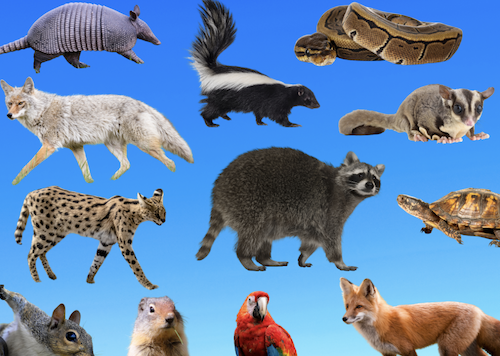
If you’ve spent any time on the Nextdoor app or a neighborhood Facebook group in Denver, you’ve seen the posts. A grainy Ring doorbell video of a coyote trotting down a sidewalk in wash park, or a fox darting under a fence in Central Park.
One of the best things about living in the Mile High City is how close we are to nature. But sometimes, nature gets a little too close to our backyards.
Many people assume you only need to worry about wildlife if you live deep in the foothills, but as professional pet sitters driving across the metro area every day, we know that isn’t true. From the Cherry Creek Trail to the quiet suburbs, urban wildlife is thriving.
We love our wild neighbors, but we want to make sure your domestic ones stay safe. Here is what Denver pet parents need to know about coexisting with the local ecosystem.
The "Big Three" in Denver
1. Coyotes These are the primary concern for most pet owners. Denver coyotes are smart, adaptable, and surprisingly bold. They have been spotted in nearly every neighborhood, from Cap Hill to Highlands Ranch.
The Risk: Coyotes can jump six-foot fences and are known to snatch small dogs and cats. They are most active at dawn and dusk.
The Solution: The golden rule is supervision. Never leave small pets outside unattended, even in a fenced backyard, especially during twilight hours. If you see a coyote on a walk, "haze" it—wave your arms, yell, or use a noise maker. Do not run away; make yourself big and loud.
2. Red Foxes You’ll often see these guys around golf courses and parks.
The Risk: Foxes are generally less of a threat to dogs (even small ones) than coyotes are, as they mostly hunt rodents. However, they can carry mange, which is highly contagious to dogs. They can also be a threat to outdoor cats.
The Solution: Keep your dog on a leash to prevent them from investigating fox dens. If your dog suddenly gets incredibly itchy after romping in the bushes, call your vet to check for mites.
3. Raccoons The "trash panda" of Denver.
The Risk: Raccoons can be vicious if cornered and are a primary carrier of rabies and distemper.
The Solution: Feed your pets indoors. Leaving kibble on the back porch is an open invitation for raccoons (and skunks!) to set up shop on your property.
4 Rules for Wildlife-Proofing Your Routine
Leashes Save Lives: It sounds simple, but keeping your dog on a leash is the number one way to prevent negative wildlife encounters. A loose dog chasing a rabbit into high grass can easily stumble upon a coyote den or a defensive raccoon.
Inspect Your Yard: Periodically check your fence line for holes dug underneath. Rabbits use these holes to get in, and predators use them to follow.
The "Sweep" Before Bed: Before letting your dog out for that final potty break at night, turn on the floodlights and make some noise at the door. Give any critters lurking in the yard a chance to scatter before your dog runs out.
Keep Cats Indoors: We know this is a debated topic, but in an area with high coyote activity, an indoor cat is a safe cat. If your kitty craves fresh air, consider a "catio" or supervised harness training.
How We Keep Your Pets Safe
At Denver Pro Pet Sitting, we are constantly scanning the environment. Whether we are walking your dog or checking in on your cat, we keep our eyes on the horizon.
We know the local "hotspots" for wildlife activity, and we stick to safe, well-lit routes during walks. We also ensure that when we leave your home, gates are securely latched and no food is left out to attract unwanted visitors.
If you are worried about those early morning or late evening walks when wildlife is most active, let us help! We’re happy to take over the leash so you can rest easy knowing your furry best friend is in professional, vigilant hands.

